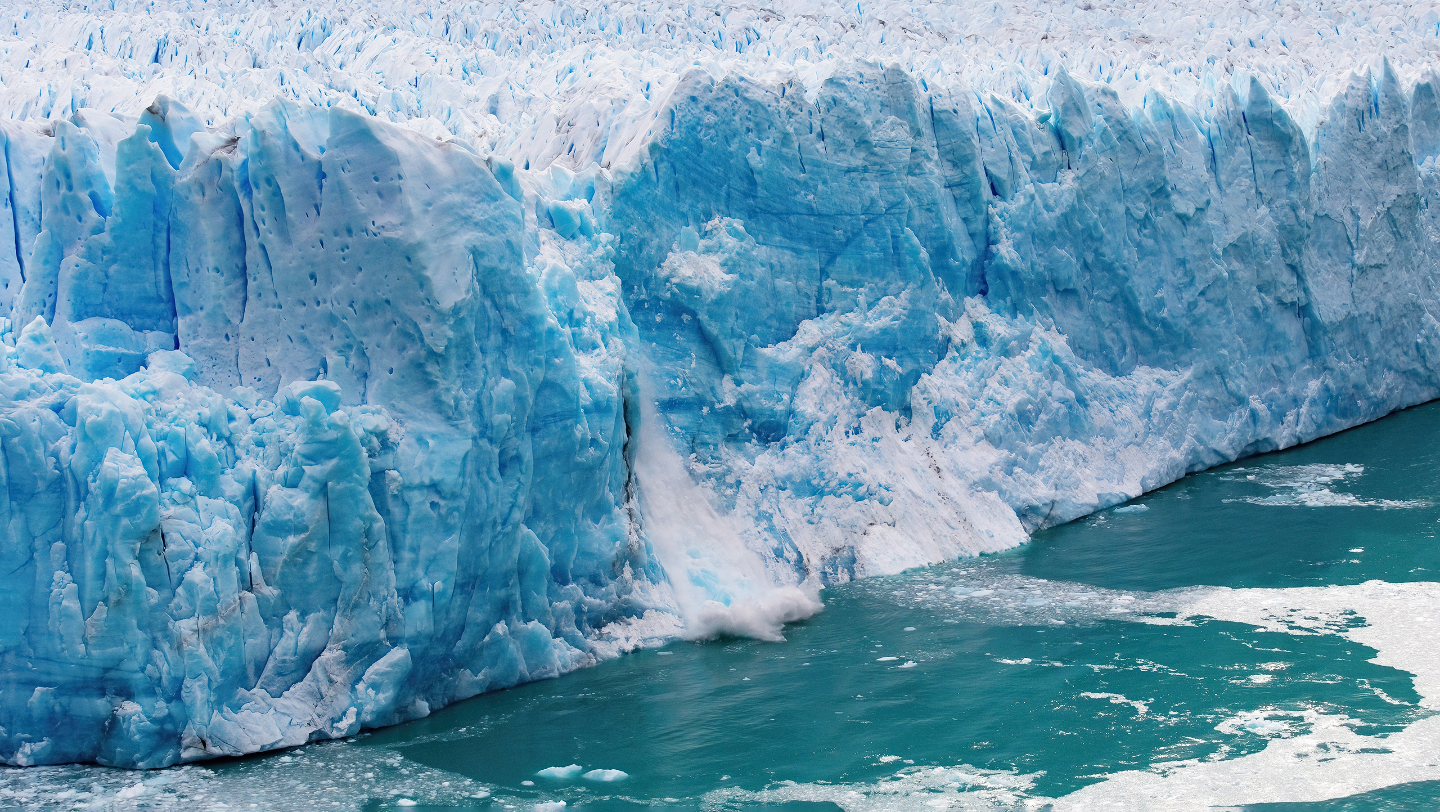
Cryospheric processes are closely linked to tundra and boreal forest ecosystems: permafrost determines hydrology and nutrient availability for vegetation, while snow cover protects plants and animals from the cold and serves as a source of spring moisture. Changes in the cryosphere, such as earlier snowmelt or permafrost degradation, shift plant phenology, animal migrations, and ecosystem productivity, affecting carbon balance and biodiversity. Monitoring these changes through remote sensing and field studies helps predict environmental shifts.
Infrastructure in cryospheric regions, from roads and airports to pipelines and settlements, is designed to take into account the physical properties of frozen soils and ice conditions. Technologies such as thermal stabilizers, ventilated foundations, and insulation layers are used to prevent thaw and ensure the durability of structures. However, accelerated warming challenges the effectiveness of traditional solutions, requiring innovative adaptation strategies, including real-time monitoring and flexible planning. Canadian engineers and scientists are collaborating with Indigenous communities to develop sustainable approaches.
Canada’s cryosphere is an indicator of global climate change: the rate of glacier retreat, permafrost degradation, and snow cover loss here outpaces the global average, providing early signals of future changes. Physical models integrating observational data and climate scenarios predict the evolution of the cryosphere and its impacts on water resources, coastal erosion, and ecosystems. These predictions inform adaptation policies at the national and international levels, including the Paris Agreement and the Sustainable Development Goals.
Advertising