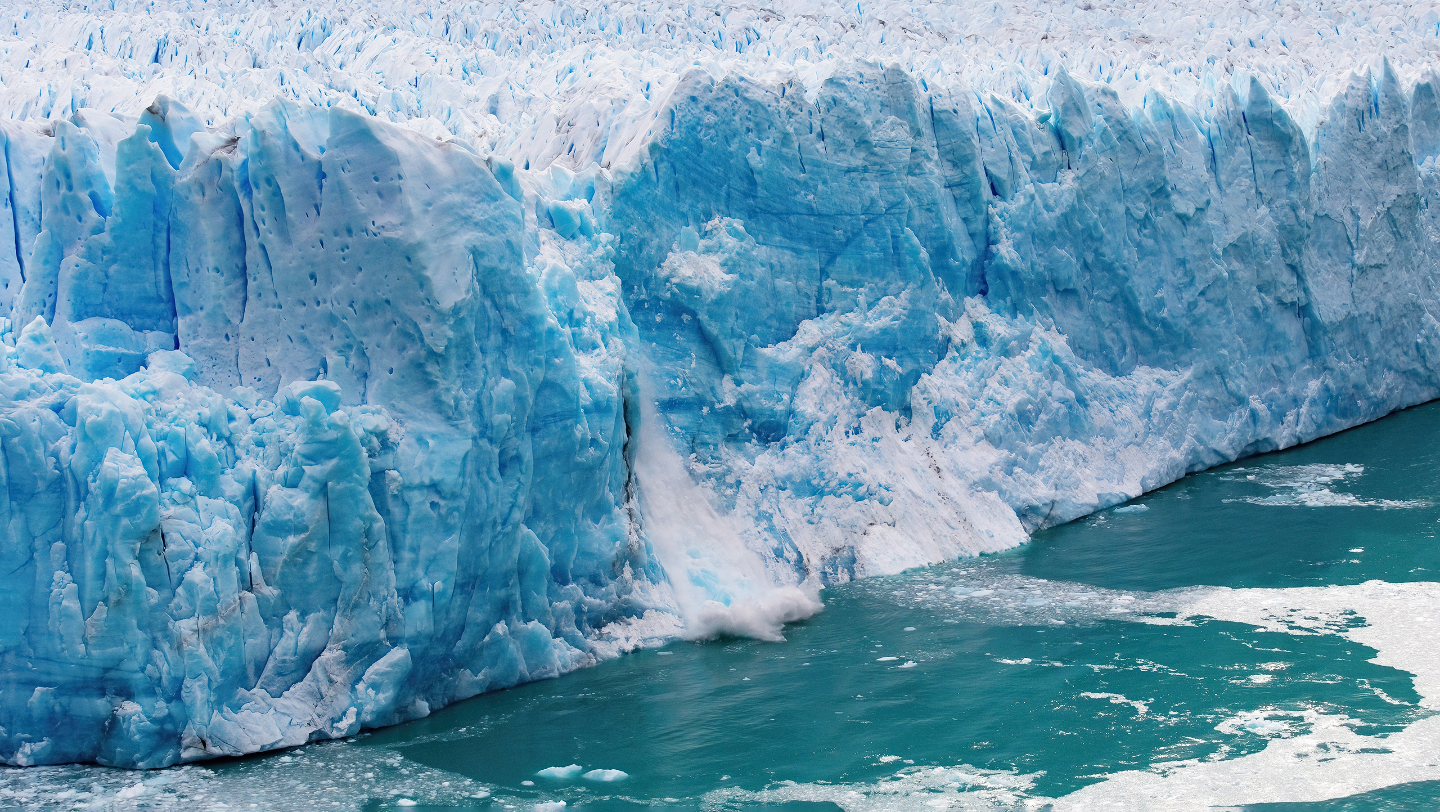
The Canadian cryosphere, comprising glaciers, ice sheets, snow cover, and permafrost, plays a fundamental role in the global climate, hydrological cycle, and high-latitude ecosystems, occupying a significant portion of the country from the Rocky Mountains to the Arctic archipelagos. The physical processes that control the cryosphere—water phase transitions, the thermal conductivity of ice and frozen soils, and the radiation balance of snow surfaces—determine the response of these systems to climate change and their feedback on planetary processes. Understanding these mechanisms is critical for predicting sea level rise, water resources, and the resilience of infrastructure in northern regions.
Glaciers in the Canadian Cordillera and Arctic, such as the Athabasca Glacier in Jasper and the Devon Island Ice Sheet, are formed by the accumulation of snow, which, under its own weight, compacts into firn and ice, slowly flowing under the influence of gravity. The physics of ice deformation is described by rheological laws, where flow velocity depends on temperature, thickness, and slope of the ice bed. Summer glacier melt supplies freshwater to rivers and oceans, regulating runoff and marine salinity, while glacier retreat due to global warming contributes to sea level rise and alters local ecosystems.
Permafrost, which covers approximately 50% of Canada’s land area, is ground whose temperature remains below 0°C for two or more years, often containing ice in pores and lenses. The physics of heat transfer in frozen soils includes thermal conductivity, moisture convection, and phase transitions that determine the depth of seasonal thaw (the active layer) and surface stability. Permafrost thaw due to climate warming releases greenhouse gases (CO2 and methane), creating a positive feedback loop that accelerates global warming and threatens infrastructure, causing subsidence and damage to buildings, roads, and pipelines. The snowpack that covers much of Canada in winter significantly influences climate through its high albedo, which reflects up to 80-90% of solar radiation back to space, and its insulating properties, which protect soil and vegetation from extreme cold. The physics of snow metabolism includes the processes of compaction, recrystallization, and melting, which determine the timing and volume of spring meltwater runoff, which is critical for hydropower, agriculture, and water supply. Changes in the timing of snowmelt due to warming shift the hydrological cycle, creating the risk of floods or droughts.
The Greenland and Antarctic ice sheets, although located outside Canada, influence its climate through ocean currents and sea level, while Canadian Arctic glaciers directly contribute to these global processes. The physics of ice-ocean interactions, including subglacial melting of ice shelves and iceberg formation, is studied using satellite altimetry, seismic imaging, and underwater vehicles. Canadian researchers are participating in international projects such as IPY and MOSAiC, uncovering the mechanisms of rapid ice degradation in polar regions.
Advertising