Home Author
Author

Earl Carpenter

Advertising

Nutrition for active people is not a diet, but a strategy for providing the body with energy and nutrients for training, recovery, and overall health. The basic principle: calorie quality is more important than quantity. Whole, minimally processed foods (vegetables, fruits, whole grains, lean proteins, healthy fats) provide not only macronutrients but also the vitamins, minerals, phytonutrients, and fiber necessary for optimal body function under stress. Focus on adding nutritious foods, not just limiting “bad” ones.
Protein is the building block of muscles, enzymes, and hormones. Active people are recommended to consume 1.2-2.0 g of protein per kg of body weight per day, distributed evenly across meals (20-40 g per meal) to maximize muscle protein synthesis. Sources: chicken, fish, eggs, cottage cheese, legumes, tofu; protein powders are a supplement, not a replacement, for whole foods. Don’t be afraid of plant proteins: their combination (for example, rice and lentils) provides a complete amino acid profile comparable to animal sources.
Carbohydrates are the primary fuel for intense workouts. Complex carbohydrates (oatmeal, quinoa, brown rice, whole-grain bread) provide stable energy, while simple carbohydrates (fruit, honey) are useful before and after workouts for rapid glycogen replenishment. The recommended intake depends on the volume of activity: 3-5 g/kg for moderate exercise, up to 6-10 g/kg for high-intensity or long-duration workouts. Don’t demonize carbohydrates: without them, performance, recovery, and even mood suffer due to low serotonin levels.
Fats are often unnecessarily restricted, but they are critical for hormonal health, the absorption of fat-soluble vitamins, and prolonged low-intensity activity. Healthy fats (avocado, nuts, seeds, olive oil, fatty fish) should make up 20-35% of daily calories. Omega-3s (salmon, flaxseed, supplements) have an anti-inflammatory effect, accelerating recovery. Avoid trans fats and minimize excess saturated fats from processed meats and fast food.


Pages: 1 2

Recovery is an essential part of the training process, often underestimated by beginners and even experienced athletes. It is during rest that adaptive changes occur: muscles repair micro-tears, the nervous system recharges, and hormonal balance normalizes. Neglecting recovery leads to overtraining, injury, and burnout, ruining all your efforts in the gym. Plan your rest days as carefully as your training—it’s an investment in long-term progress.
Sleep is the most powerful recovery tool available to everyone. During deep sleep, growth hormone is released, stimulating tissue repair, motor memory is consolidated (reinforcing new skills), and appetite and stress hormones are regulated. Aim for 7-9 hours of sleep in a dark, cool, quiet room, avoiding screens an hour before bed. If your schedule doesn’t allow for a full night’s sleep, short siestas (20-30 minutes) can help restore cognitive function and reduce cortisol levels.
Recovery nutrition should include protein for muscle repair, carbohydrates to replenish glycogen, and antioxidants to combat oxidative stress. The ideal eating window is within 30-60 minutes after training, but overall circadian balance is more important than precise timing. Don’t forget about hydration: losing even 2% of your fluid intake reduces performance and slows recovery. Water, electrolytes (especially after intense sweating), and light, nutritious meals are the foundation of a post-workout ritual.
Active recovery—light activity on rest days—increases blood flow, delivering nutrients to muscles and removing metabolic waste. Walking, yoga, gentle swimming, and stretching are all excellent options. Avoid complete inactivity: a lazy day on the couch can increase muscle soreness and stiffness. Listen to your body: if you feel very tired, allow yourself to rest completely, but in most cases, light movement will be more beneficial than inactivity.

Pages: 1 2

Fitness trackers and mobile apps have become indispensable companions for modern people striving for a healthy lifestyle. However, the abundance of data—steps, heart rate, calories, sleep stages—can be both helpful and harmful if used without understanding the context. The key to effective tracking is focusing on a few meaningful metrics that align with your goals, rather than trying to track everything. Identify two or three key indicators (e.g., active time, average heart rate, sleep quality) and base your analysis around them.
Pedometers and activity counters are useful for developing movement habits, but blindly chasing 10,000 steps can be counterproductive. This number originated as a marketing ploy, not a scientifically proven norm. For some people, 6,000 vigorous steps is more beneficial than 12,000 slow ones. The quality of movement is more important than the quantity: include brisk walking intervals, stair climbs, and short warm-ups in your day—and a tracker will help you see how these activities contribute significantly to your health.
Heart rate monitoring is a powerful tool for optimizing your workouts. Knowing your heart rate zones (warm-up, fat burning, aerobic, anaerobic, and maximal) allows you to train more effectively and safely. For example, to develop endurance, it’s beneficial to spend some time in the aerobic zone (60-70% of your maximum), while interval training in the anaerobic zone (80-90%) improves speed. Trackers with optical heart rate monitors provide good estimates, but for greater accuracy, use chest straps, especially for interval training.
Nutrition tracking apps (MyFitnessPal, Cronometer, and similar apps) help you understand your actual calorie intake and the balance of proteins, fats, and carbohydrates in your diet. However, it’s important not to slip into orthorexia—an obsessive pursuit of “perfect” nutrition. Use the tracker as a learning tool, not a control tool: track for 1-2 weeks to understand patterns, then transition to intuitive eating with periodic check-ins. Keep in mind that apps have inaccuracies in their food databases, and your individual needs may differ from the average algorithms.

Pages: 1 2

Advertising

Cardio and strength training are often pitted against each other, but for overall health and a beautiful body, a healthy balance of both types of activity is essential. Cardio (running, cycling, swimming) strengthens the cardiovascular system, increases endurance, and promotes calorie burning during the workout itself. Strength training (using weights, resistance bands, and your own body) builds muscle mass, increases basal metabolic rate, and improves bone density. The ideal program includes elements of both, tailored to your goals and abilities.
For overall health, the WHO recommends a minimum of 150 minutes of moderate cardio or 75 minutes of intense cardio per week, plus two strength training sessions targeting major muscle groups. This is sufficient to reduce the risk of chronic diseases, maintain a healthy weight, and improve mental well-being. You don’t have to do everything in the gym: brisk walking, gardening, and active play with children are also forms of movement. The key is consistency and enjoyment of the process, not conforming to someone else’s ideals. If your goal is weight loss, combining cardio and strength training produces a synergistic effect. Cardio creates an immediate calorie deficit, while strength training builds muscle, which burns more energy even at rest. Research shows that people who incorporate both types of exercise lose more fat and retain more muscle mass compared to those who do cardio alone. Don’t be afraid of “bulking up”—it’s a myth: muscle growth requires a specific diet and regimen that can’t be achieved by chance.
To improve athletic performance in a specific activity, the emphasis shifts to specialization. Runners need more cardio with interval elements to develop speed and endurance, while strength training serves as injury prevention and improves running economy. Swimmers need strength training for the upper body and core, while cardio helps develop an aerobic base. Determine your priority and build your program around it, without completely eliminating any secondary component.

Pages: 1 2

Starting a fitness journey is the most important and challenging stage for anyone. Many beginners make the mistake of aiming for quick results and overexerting themselves from the very first days. It’s important to understand that progress is built gradually: start with two or three 30-40-minute workouts a week, focusing on exercise technique rather than weights or speed. This approach reduces the risk of injury and burnout, allowing you to develop a sustainable movement habit that will last for years to come.
Setting realistic goals is the foundation of long-term success in fitness. Instead of an abstract “I want to lose weight,” formulate a specific goal: “run 5 km nonstop in two months” or “do 20 push-ups by summer.” Measurable goals allow you to track your progress and provide motivation to continue when enthusiasm begins to wane. Record your results in a training diary or app—visualizing your achievements acts as a powerful psychological incentive to persevere. Warming up before a workout is essential, often overlooked by beginners as a waste of time. In fact, 5-10 minutes of dynamic warm-up (arm swings, joint rotations, light walking) increases body temperature, improves muscle elasticity, and prepares the cardiovascular system for the workout. This reduces the risk of strains, tears, and other injuries that can put you off your workout schedule for a long time. Don’t neglect your warm-up—it’s an investment in your health and the continuity of your training.
Choosing the right activity is the key to enjoying exercise. Don’t force yourself to run if you hate monotony: try swimming, dancing, rock climbing, or team sports. Canadian cities offer a wide variety of clubs and outdoor spaces, from free outdoor exercise equipment in parks to indoor skating rinks in the winter. When exercise is enjoyable, it stops being a chore and becomes part of a lifestyle you enjoy, not force yourself to maintain.
Exercise technique is more important than weight or repetitions. Incorrect technique not only reduces the effectiveness of your workout but also puts dangerous strain on your joints and spine. Start with minimal weights or your own body, film yourself for self-monitoring, or work with a trainer, at least at the beginning. It’s better to do 10 perfect squats than 30 crooked ones—quality of movement always trumps quantity, especially at the beginning.

Pages: 1 2

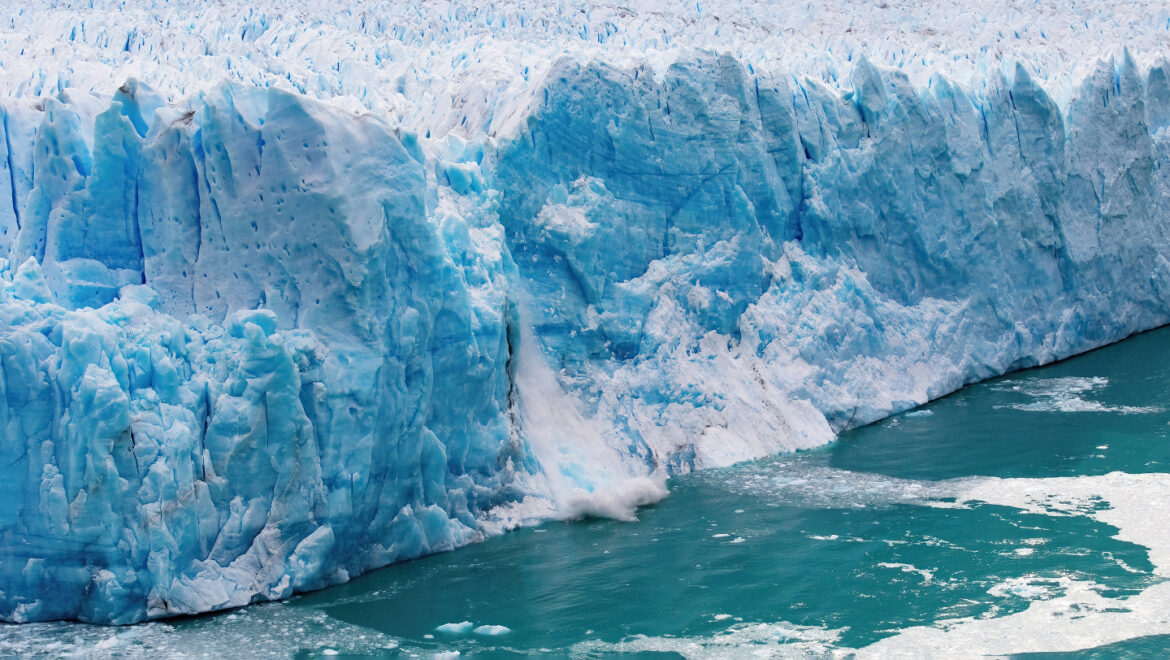
The Canadian cryosphere, comprising glaciers, ice sheets, snow cover, and permafrost, plays a fundamental role in the global climate, hydrological cycle, and high-latitude ecosystems, occupying a significant portion of the country from the Rocky Mountains to the Arctic archipelagos. The physical processes that control the cryosphere—water phase transitions, the thermal conductivity of ice and frozen soils, and the radiation balance of snow surfaces—determine the response of these systems to climate change and their feedback on planetary processes. Understanding these mechanisms is critical for predicting sea level rise, water resources, and the resilience of infrastructure in northern regions.
Glaciers in the Canadian Cordillera and Arctic, such as the Athabasca Glacier in Jasper and the Devon Island Ice Sheet, are formed by the accumulation of snow, which, under its own weight, compacts into firn and ice, slowly flowing under the influence of gravity. The physics of ice deformation is described by rheological laws, where flow velocity depends on temperature, thickness, and slope of the ice bed. Summer glacier melt supplies freshwater to rivers and oceans, regulating runoff and marine salinity, while glacier retreat due to global warming contributes to sea level rise and alters local ecosystems.
Permafrost, which covers approximately 50% of Canada’s land area, is ground whose temperature remains below 0°C for two or more years, often containing ice in pores and lenses. The physics of heat transfer in frozen soils includes thermal conductivity, moisture convection, and phase transitions that determine the depth of seasonal thaw (the active layer) and surface stability. Permafrost thaw due to climate warming releases greenhouse gases (CO2 and methane), creating a positive feedback loop that accelerates global warming and threatens infrastructure, causing subsidence and damage to buildings, roads, and pipelines. The snowpack that covers much of Canada in winter significantly influences climate through its high albedo, which reflects up to 80-90% of solar radiation back to space, and its insulating properties, which protect soil and vegetation from extreme cold. The physics of snow metabolism includes the processes of compaction, recrystallization, and melting, which determine the timing and volume of spring meltwater runoff, which is critical for hydropower, agriculture, and water supply. Changes in the timing of snowmelt due to warming shift the hydrological cycle, creating the risk of floods or droughts.
The Greenland and Antarctic ice sheets, although located outside Canada, influence its climate through ocean currents and sea level, while Canadian Arctic glaciers directly contribute to these global processes. The physics of ice-ocean interactions, including subglacial melting of ice shelves and iceberg formation, is studied using satellite altimetry, seismic imaging, and underwater vehicles. Canadian researchers are participating in international projects such as IPY and MOSAiC, uncovering the mechanisms of rapid ice degradation in polar regions.

Pages: 1 2

Advertising

The Great Lakes—Superior, Michigan, Huron, Erie, and Ontario—form the largest freshwater system on the planet, containing approximately 20% of the world’s surface freshwater and playing a critical role in the climate, economy, and ecology of North America. The physical processes that control these lakes include current hydrodynamics, thermocline stratification, evaporation, and ice regimes, which interact with the atmosphere and a drainage basin covering more than 750,000 square kilometers. Understanding these mechanisms is essential for water resource management, water quality forecasting, and adaptation to climate change in the Canada-US region.
Thermal stratification of lakes—the division of the water column into layers of different temperatures and densities—is a key process determining oxygenation, nutrient distribution, and ecosystem health. In summer, the surface epilimnion is heated by the sun and remains light, while the cold hypolimnion at depth is isolated by a thermocline, preventing vertical mixing. In autumn, surface cooling disrupts stratification, triggering autumn circulation, which oxygenates the depths and brings up nutrients. In winter, reverse stratification forms under the ice cover, with the warmest water (~4°C) near the bottom.
Currents in the Great Lakes are driven by wind, differences in water density, and the Earth’s rotation (Coriolis force), creating complex circulation patterns that transport heat, pollutants, and plankton. For example, Lake Ontario has a predominantly counterclockwise cyclonic current, while in Lake Erie, wind surges can cause sharp fluctuations in water level, known as seiches. Hydrodynamic modeling using supercomputers, such as those at the Canadian Centre for Climate Modeling, allows us to predict the spread of oil spills, algal blooms, and changes in fish populations.
Lake ice conditions vary from almost complete ice cover on Lake Superior and Lake Huron during severe winters to partial freezing of Lake Erie due to its shallowness. The physics of ice formation and melting involves heat exchange, crystallization, and mechanical breakdown by wind and currents. Ice cover affects evaporation (reducing it in winter), surface albedo, and navigation, and also serves as a habitat for specialized organisms. Climate change is reducing the duration and extent of ice cover, which has cascading consequences for the region’s ecosystems and economies.
Evaporation from the surface of lakes is a significant component of the water balance, especially during warm seasons, when it can reach several millimeters per day. The physics of evaporation depends on water temperature, air humidity, wind speed, and solar radiation, and is described by equations such as the Penman equation. Evaporation not only regulates lake levels but also supplies moisture to the atmosphere, influencing cloud formation and precipitation in adjacent regions, including lake-effect snow. Monitoring evaporation using satellites and buoys is important for hydrological forecasts.
Water quality in the Great Lakes is determined by a complex balance of physical, chemical, and biological processes: nutrient inputs from agriculture and cities can cause eutrophication and toxic cyanobacterial blooms, particularly in shallow Lake Erie. The physics of mixing and sedimentation influences pollutant distribution, while ultraviolet radiation and temperature regulate the rate of organic matter degradation.

Pages: 1 2

The Canadian Shield, occupying approximately half of the country, is one of the oldest geological regions on Earth, dating back over 4 billion years, making it an invaluable archive of planetary history. This massif of Precambrian crystalline rocks, consisting primarily of granites, gneisses, and greenstone belts, formed through complex processes of accretion, metamorphism, and tectonic activity in Earth’s early history. Studying the shield allows scientists to reconstruct the evolution of continental crust, the mechanisms of supercontinent formation, and the conditions under which life emerged on our planet.
The tectonic stability of the Canadian Shield is explained by its location in the center of the North American Plate, far from active boundaries where earthquakes and volcanism occur. However, ancient faults and seams left by the collisions of microcontinents billions of years ago occasionally reactivate, causing moderate seismicity in regions such as Quebec and Ontario. The physics of elastic recoil and stress accumulation in rocks helps predict rare but potentially hazardous events. A Canadian network of seismic stations monitors these processes in real time.
The shield’s mineral wealth, including gold, nickel, copper, uranium, and rare earth elements, formed through hydrothermal processes, magmatic differentiation, and metasomatism in the deep crust. For example, the Sudbury deposits in Ontario are associated with an ancient meteorite impact that melted the rocks and concentrated the metals into a unique structure. Understanding the geochemistry and petrology of these processes is critical for sustainable exploration and production while minimizing the ecological footprint. Canadian geologists are using advanced remote sensing and geophysical methods to search for new deposits.
Glacial erosion during the Quaternary shaped the shield’s characteristic landscape: exposed cliffs, thousands of lakes filling tectonic depressions and glacial basins, and a thin layer of infertile soils. The physics of glacier movement, their abrasive and exarative effects, explains the U-shaped valleys, ram’s foreheads, and moraine deposits observed in national parks such as Algonquin and La Mauricie. Melting of glaciers approximately 10,000 years ago led to the formation of modern river systems and the Great Lakes, determining the hydrology of the region.

Pages: 1 2

Canada has one of the most diverse climate systems in the world, encompassing arctic tundra, boreal forests, temperate coasts, and continental prairies, making it a unique natural laboratory for the study of atmospheric physics. Differences in temperature, precipitation, and wind patterns between regions are caused by the complex interaction of latitude, topography, ocean currents, and atmospheric circulation. Understanding these mechanisms is critical for weather forecasting, climate change adaptation, and natural resource management in the world’s second-largest country.
The Arctic climate of the northern territories is characterized by extremely low temperatures, polar nights and days, and a thin layer of permafrost that influences hydrology and ecosystems. The physics of radiation balance explains why surfaces covered by snow and ice reflect up to 90% of solar energy (high albedo), maintaining a cold climate even in summer. Ice melt due to global warming reduces albedo, creating a positive feedback loop that accelerates regional warming—a phenomenon known as Arctic amplification. Canadian scientists are actively studying these processes through projects like ArcticNet.
The temperate maritime climate of British Columbia’s Pacific coast is shaped by the warm Alaska Current and westerly winds, which bring abundant precipitation and mild winters. The orographic effect, when moist air rises up the slopes of the Coast Range and cools, causes condensation and rain or snow on the windward sides of the mountains. This explains why Vancouver receives over 1,000 mm of precipitation annually, while inland valleys in the rain shadow are significantly drier. Modeling these processes helps predict floods and avalanches. The continental climate of the prairie regions of Alberta, Saskatchewan, and Manitoba exhibits sharp seasonal contrasts: hot summers reaching 35°C (95°F) and freezing winters below -30°C (-22°F) due to their remoteness from the oceans and the lack of barriers to Arctic air masses. The physics of adiabatic cooling and heating explains the formation of fronts and storms: when cold Arctic air meets warm Mexican air, a zone of instability forms, generating thunderstorms, tornadoes, and snowstorms. The Canadian Weather Service uses supercomputers to model these systems, improving the accuracy of warnings for agriculture and transportation.

Pages: 1 2

Advertising

The Northern Lights, or Aurora Borealis, are one of the most spectacular natural phenomena regularly observed in Canada’s night skies, particularly in the northern territories of Yukon, Northwest Territories, and Nunavut. This light show is caused by a complex interaction between charged particles in the solar wind and our planet’s magnetic field, making Canada an ideal laboratory for studying space weather. When solar flares eject streams of electrons and protons into space, Earth’s magnetosphere captures these particles and funnels them toward the poles, where they collide with oxygen and nitrogen atoms in the upper atmosphere.
The physical mechanism behind the glow is based on the process of atomic excitation: when colliding with high-energy particles, electrons in gas atoms are elevated to higher energy levels and, upon returning to their original state, emit photons of light. Oxygen at altitudes of approximately 100-300 kilometers emits a characteristic green color, which is most often visible to observers, while at higher altitudes it produces a rare red hue. Nitrogen produces blue and violet tones, creating a stunning palette of colors dancing across the sky. The intensity and shape of auroras depend on the strength of the solar wind and the current configuration of the magnetic field.
Canadian scientists have made significant contributions to the study of auroral phenomena through the Canadian Space Agency’s network of observatories and satellite programs. Projects such as SWARM and geostationary monitors enable real-time monitoring of solar activity and highly accurate auroral predictions. Research is being conducted at the Universities of Alberta, Calgary, and Dalhousie, where specialists analyze data on the impact of geomagnetic storms on radio communications and navigation systems. This knowledge is critical for protecting infrastructure at high latitudes, where the effects of space weather are most pronounced. The best time to observe the northern lights in Canada is from September to April, when nights are long and dark, ensuring maximum visibility. Peak activity typically occurs around midnight local time, when the magnetic field is most favorable for particles to penetrate the atmosphere. Clear, cloudless nights away from urban light pollution, such as in Wood Buffalo or Tombstone National Parks, provide ideal viewing conditions. Tourists are advised to use auroral forecast apps to plan their viewing.

Pages: 1 2

Newer Posts