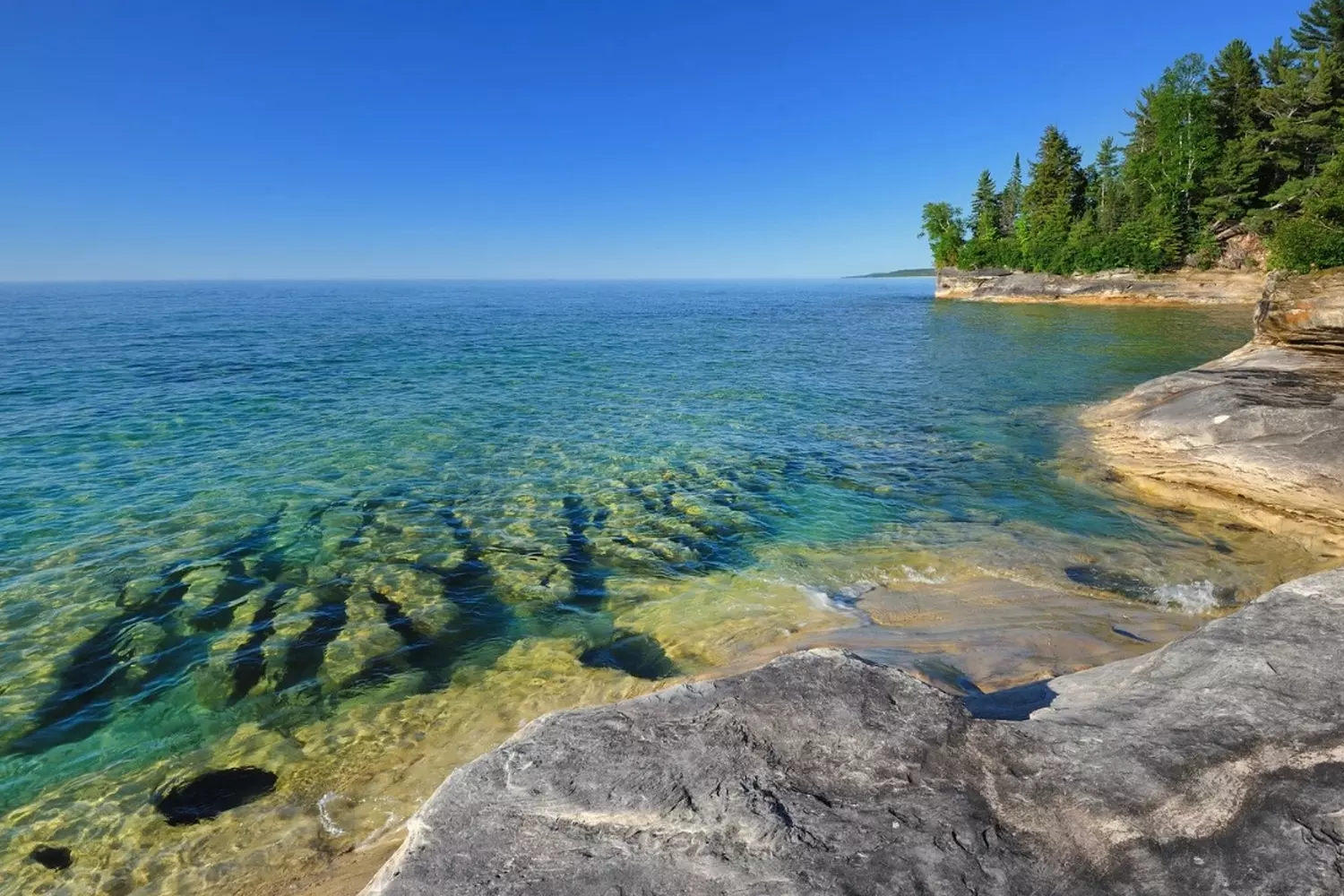
Canadian-American agreements, such as the Great Lakes Water Quality Agreement, coordinate lake restoration efforts through monitoring, regulation, and wetland restoration. The biodiversity of the Great Lakes is supported by the physical heterogeneity of their environment: varying depths, substrates, and hydrodynamic conditions create niches for thousands of species of fish, invertebrates, and plants. For example, the cold depths of Lake Superior are suitable for lake trout, while the warm bays of Lake Erie are rich in walleye and bass. Invasive species, such as sea lamprey and zebra mussels, disrupt these ecosystems by competing with native species and altering food webs. Physical barriers and water flow management are used to control invasive species.
Climate change affects the physics of the Great Lakes through rising water temperatures, altered precipitation patterns, and increased frequency of extreme weather events. Warmer water enhances stratification, shortening circulation periods and reducing oxygen conditions in the deep waters, threatening cold-water species. More intense storms increase coastal erosion and flood risk, while fluctuating lake levels pose challenges to infrastructure and navigation. Adaptation strategies include coastal strengthening, restoration of natural buffers and adaptive water management.
Advertising