Permafrost, common in the northern part of the ice sheet, is a complex cryolithozone system where ice cements rock, influencing its mechanical properties and hydrology. The physics of water phase transitions and thermal conductivity in frozen soils is important for the construction of infrastructure such as roads, pipelines, and buildings in northern conditions. Thawing permafrost due to climate warming threatens the stability of structures and releases greenhouse gases, creating a feedback loop in the climate system. Canadian engineers are developing adaptive technologies to address these conditions. The Canadian Shield serves as a natural laboratory for studying early life on Earth: greenstone belts, such as those in the Slave region of Nunavut, contain the oldest traces of biological activity, dating back approximately 3.7 billion years. Geochemical signatures, isotopic analysis, and microfossils allow us to reconstruct the conditions of the iron-rich, oxygen-poor Archean atmosphere and oceans. These studies shed light on the origins of photosynthesis and the Great Oxidation Catastrophe that transformed the planet. Canadian universities are leaders in this interdisciplinary field.
Erosion and weathering of shield rocks deliver dissolved elements such as silicon, phosphorus, and iron to the oceans, stimulating the productivity of marine ecosystems and the global carbon cycle. The physicochemical processes of mineral dissolution depend on climate, vegetation, and sediment acidity, linking geology with biogeochemistry. Changes in weathering rates due to climate shifts can influence long-term atmospheric CO2 uptake, offering potential mechanisms for climate regulation. Modeling these relationships is an active area of research.
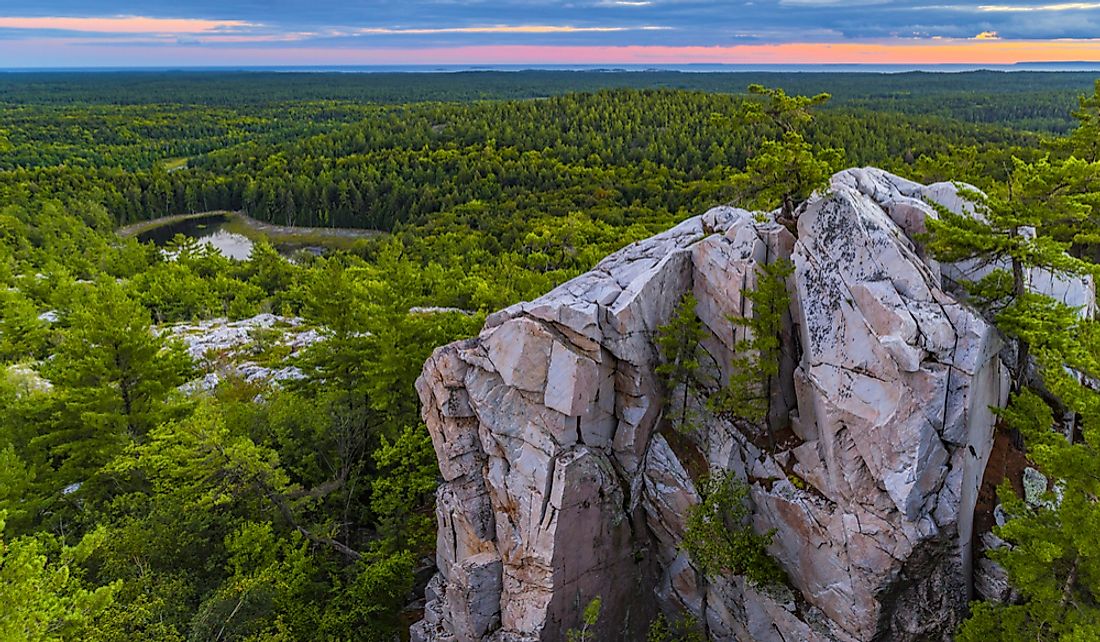
Tourism and education in regions of the Canadian Shield, such as Killarney National Park in Ontario or Baffin Island, allow the public to experience ancient rocks, glacial forms, and the unique tundra ecosystem firsthand. Interpretive programs developed by geologists and ecologists explain landscape formation processes and the importance of preserving the fragile Arctic environment. Geological trails and open-air museums make science accessible and engaging for all ages, inspiring a new generation of researchers.
Advertising