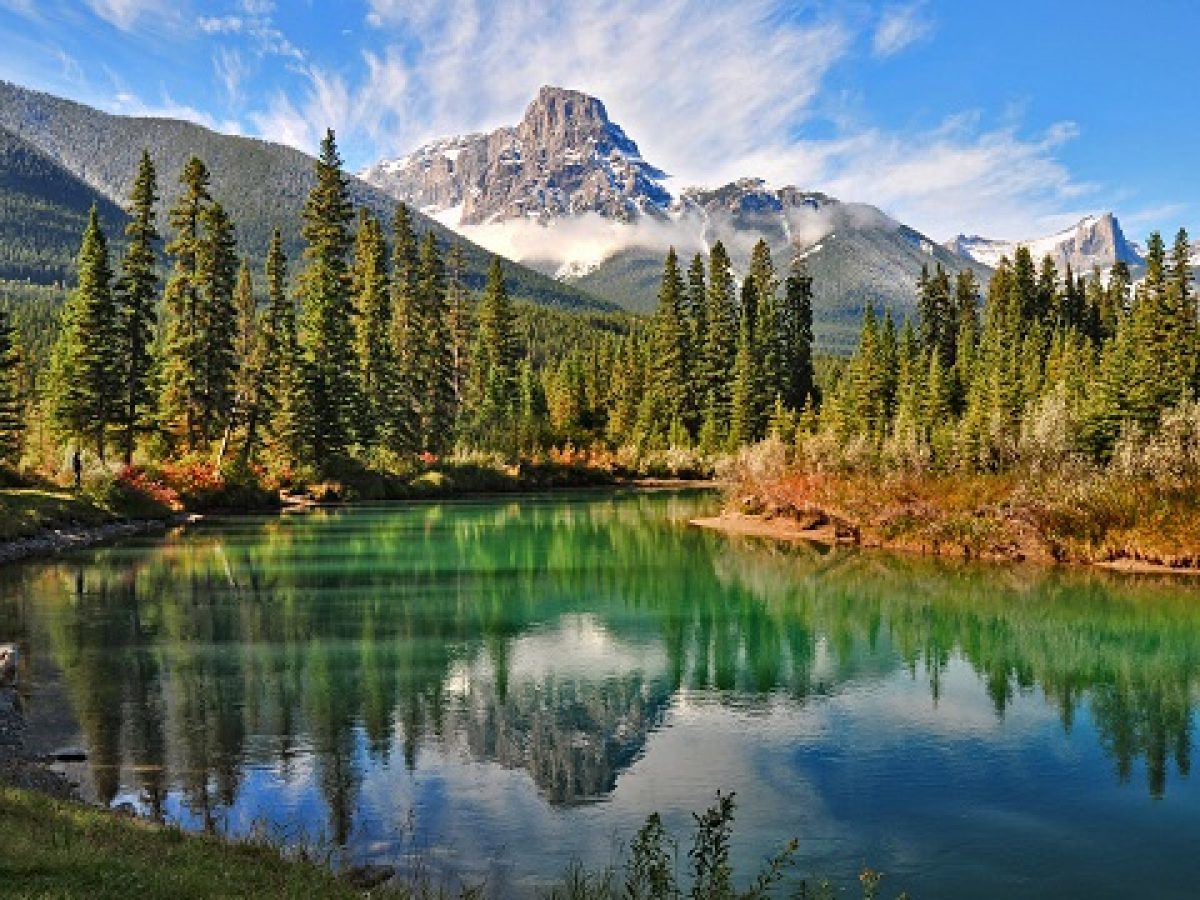
The Great Lakes play a key role in the climate of southern Ontario and Quebec, moderating temperatures and creating lake-effect snow. When cold air passes over the relatively warm lake waters in the fall and winter, it becomes saturated with moisture and, upon reaching the shore, rises and cools, falling as heavy snow. This phenomenon explains why cities like Sudbury and Buffalo (USA) receive meter-deep snowdrifts, while neighboring areas remain dry. Research into lake hydrology is important for water resource management and erosion control.
Climate change is affecting Canada twice as fast as the global average, especially in Arctic regions, where temperatures are rising by 2-3°C per decade. The physics of the greenhouse effect, amplified by CO2 emissions from fossil fuel combustion and the melting of methane hydrates in permafrost, explains this accelerated warming. Consequences include shifting climate zones, increased frequency of extreme weather events, and threats to biodiversity. Canadian researchers contribute to IPCC reports by developing adaptation scenarios for cities, agriculture, and indigenous communities.
Atmospheric circulation over Canada is determined by planetary Rossby waves, which transport heat and moisture between latitudes, shaping weather patterns. Disruptions to these waves, associated with Arctic warming, can cause stagnant anticyclones, leading to heatwaves or cold waves, as in the “heat dome” event over British Columbia in 2021. Understanding wave dynamics helps improve seasonal forecasts and disaster preparedness. Canadian meteorologists collaborate with international partners to share data and models.
Wildfires, which have become more frequent in recent years, are closely linked to climate change: hotter and drier conditions lengthen the fire season and increase fire intensity. The physics of biomass combustion include the release of aerosols and greenhouse gases, which affect air quality and the regional radiation balance. Smoke from Canadian fires can travel thousands of kilometers, reaching Europe or the United States, highlighting the global interconnectedness of ecosystems. Satellite and drone monitoring aids in early detection and suppression. Educational programs in Canadian schools and universities include the study of climate physics, preparing a new generation of scientists and engineers to address environmental challenges.
Advertising