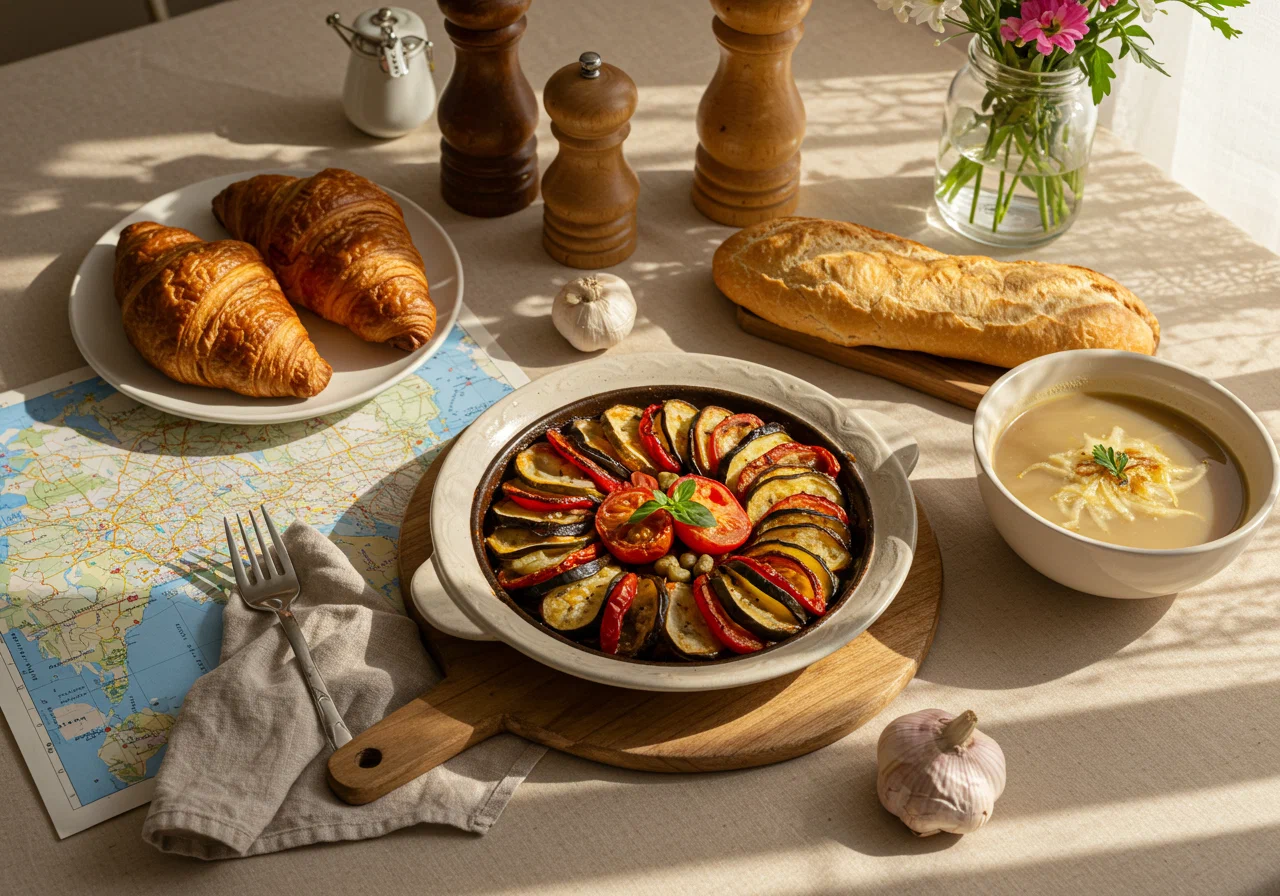
European traditions brought by immigrants from Italy, Greece, Portugal, and Eastern Europe are also deeply ingrained in Canadian cuisine. Italian pasta and pizza, Greek souvlaki and salads, Polish pierogi, and Ukrainian borscht are all prepared in homes using grandmothers’ recipes. These dishes are often adapted to local ingredients, creating unique Canadian-European hybrids. Canadian family holiday tables often feature a smorgasbord of dishes from various European cultures, symbolizing unity in diversity. Preserving family recipes from generation to generation helps immigrants maintain a connection to their roots in their new country.
This homemade Canadian-style burrito recipe showcases the influence of Latin American cuisine, adapted to northern conditions. The use of local beef, beans, corn, and fresh vegetables in tortillas creates a hearty and balanced meal. Spicy salsas and guacamole add a vibrant flavor, making this a festive meal even on a weekday. Latin American restaurants and food trucks are becoming increasingly popular, spreading a love of these flavors to a wider audience. Making tacos or fajitas at home becomes a fun family event, with everyone creating their own dish to suit their tastes.
Fusion recipes combining Canadian ingredients with Asian or European techniques are becoming a trend in modern haute cuisine. For example, teriyaki salmon with a maple glaze or duck breast with wild cranberry sauce. Chefs across the country are experimenting, creating dishes found nowhere else in the world. You can also try these combinations at home, adding ginger to traditional pumpkin soup or using soy sauce to marinate steaks. A creative approach to cooking allows you to unlock the potential of local ingredients in new and unexpected ways.
Cooking ethnic dishes requires respect for the original technique and an understanding of the role of each ingredient. Reading cookbooks from authors of different cultures, watching cooking shows, and attending master classes help you master the nuances. It’s important not to be afraid of making mistakes, as cuisine is a space for experimentation and personal expression. Sharing recipes with immigrant friends is the best way to experience the authentic taste and history of a dish firsthand.
Advertising