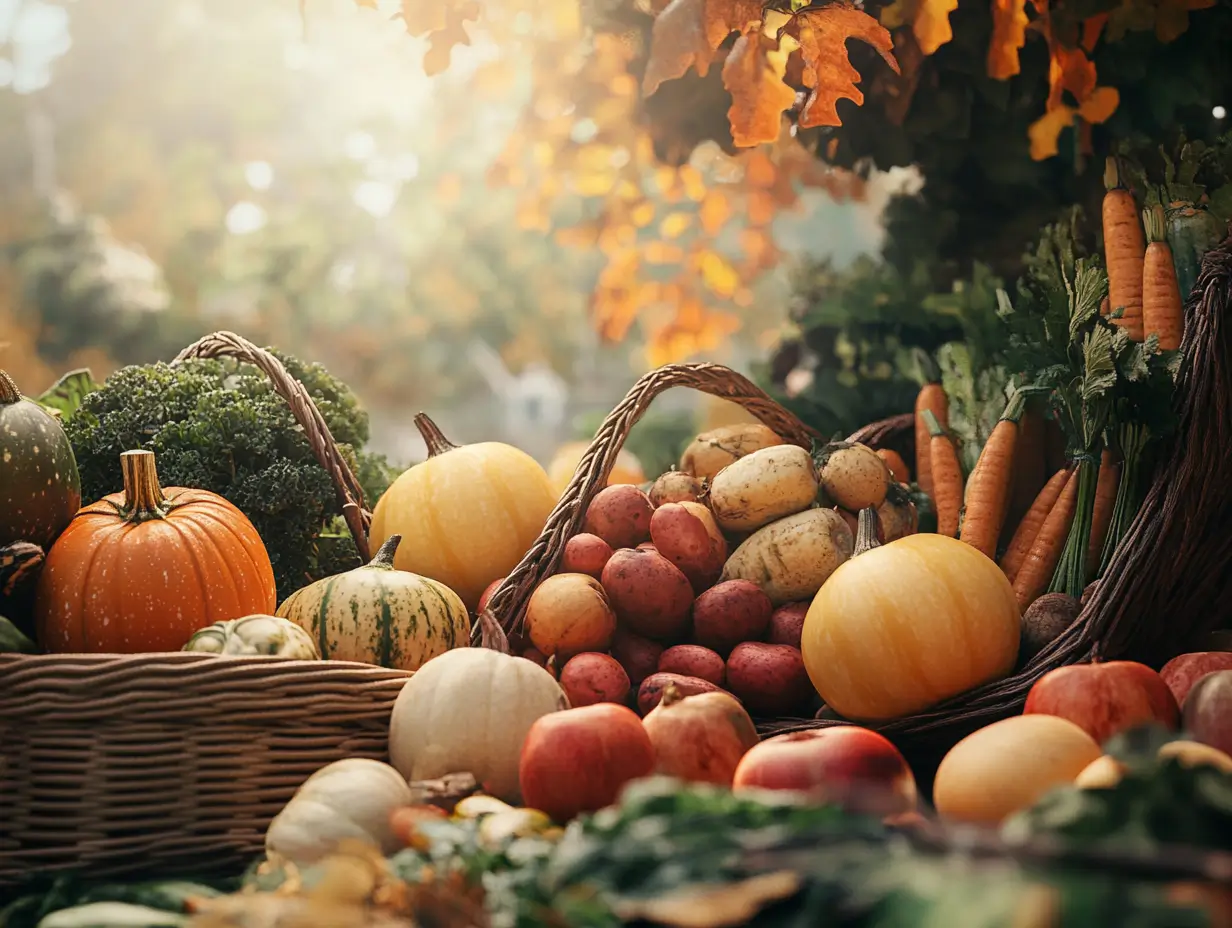
Canada has a unique climate that dictates how you choose to eat throughout the year. In winter, fresh local fruits and vegetables become rare and significantly more expensive due to import logistics costs. During this period, it’s smarter to switch to root vegetables such as carrots, beets, turnips, and potatoes, which store well in cool conditions and retain most of their vitamins. Canadian supermarkets like Loblaws, Metro, and Sobeys offer a wide selection of these locally grown vegetables, even in the harshest temperatures. Understanding the seasons not only helps you save money but also ensures you get higher-quality, tastier ingredients for your everyday meals without overpaying for overpriced items.
Summer and early fall in Canada are a time of abundant berries, a national treasure. Blueberries, cranberries, raspberries, and strawberries are sold everywhere at very reasonable prices during this time, especially at farmers’ markets. Experienced home cooks recommend buying these berries in bulk during peak season and freezing them in portions for the winter. Frozen Canadian berries are just as rich in antioxidants as fresh ones and are often a more economical alternative to imported fruit during the colder months. Adding a handful of these berries to your morning oatmeal or smoothie is a great way to boost your immune system during the long winter months.
Buying meat and dairy products in Canada has its own challenges due to the quota system and strict quality control. Dairy products here are produced without the use of growth hormones, making them some of the safest in the world, but prices for cheese and butter can be high. To save money, many families buy meat in bulk at clubs like Costco or directly from farmers during special sales before the holidays. Cutting up a large piece of beef or chicken into individual portions at home and freezing it can significantly reduce the cost per meal. It’s also worth looking for the “Canadian Grade A” label, which guarantees the highest quality.
Advertising