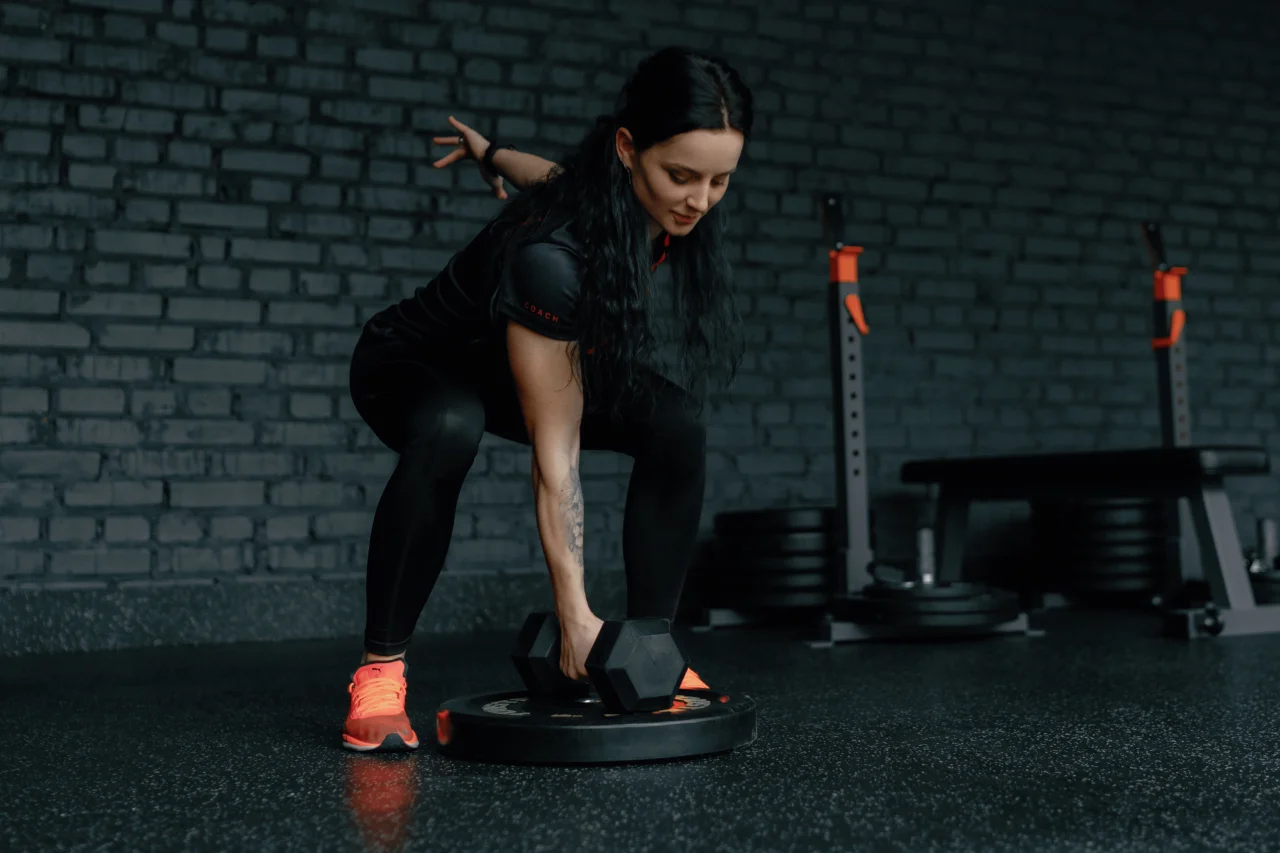
Consistency trumps intensity when it comes to building a fitness habit. Missing one workout isn’t a disaster, but repeated absences ruin progress. Create a schedule, tie your workouts into existing rituals (for example, going to the gym after work on Mondays and Wednesdays), and find a partner for mutual support. Research shows that social responsibility increases exercise commitment: when someone is waiting for you at the gym, it’s harder to find an excuse to stay home. Listen to your body and learn to distinguish between the “good” pain of muscle fatigue and the “bad” pain of injury. Delayed onset muscle soreness (DOMS) (muscle pain 24-48 hours after exercise) is normal during adaptation, but sharp, shooting pain in a joint or ligament requires immediate cessation of exercise. Don’t ignore your body’s signals: rest is as much a part of the training process as the exercise itself. Knowing when to stop will save you from serious injuries and long breaks.
Water and nutrition around your workout play a critical role in performance and recovery. Drink water before, during, and after exercise—even mild dehydration reduces endurance and cognitive function. A light snack 1-2 hours before exercise (banana, yogurt, toast with peanut butter) will provide energy, and a protein-carbohydrate combination afterward (cottage cheese with fruit, protein shake) will speed muscle recovery. Don’t exercise on an empty stomach and don’t overeat immediately afterward—find your comfortable balance. Tracking your progress helps you stay motivated long-term. Use simple metrics: time spent on a distance, number of reps, how you feel after a workout, quality of sleep. Don’t focus solely on body weight—muscle weighs more than fat, and the scale can plateau as your body composition improves. Before-and-after photos, circumference measurements, or simply the feeling of climbing stairs is easier are all valuable indicators of success that aren’t always visible on the scale.
Advertising